Grow Your Own Pace Mushroom SVG Review for Real Projects
As an embroidery designer and product reviewer with years of hands-on experience, I often find myself evaluating digital designs not just on their visual appeal, but on how well they translate into real-world applications. Grow Your Own Pace Growing Mushroom SVG is one such design that caught my attention—not just for its whimsical charm, but for its thoughtful composition and adaptability to a range of projects. Here’s what I observed after testing it in several scenarios.
A Whimsical Yet Balanced Design
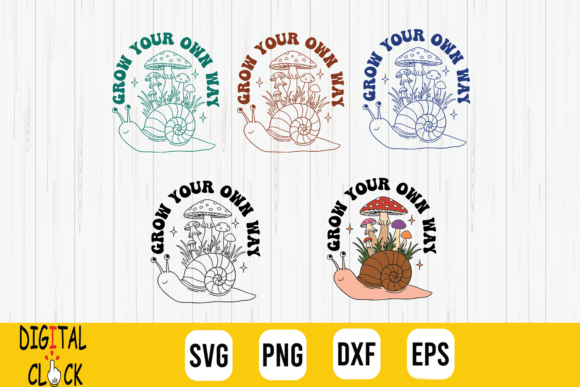
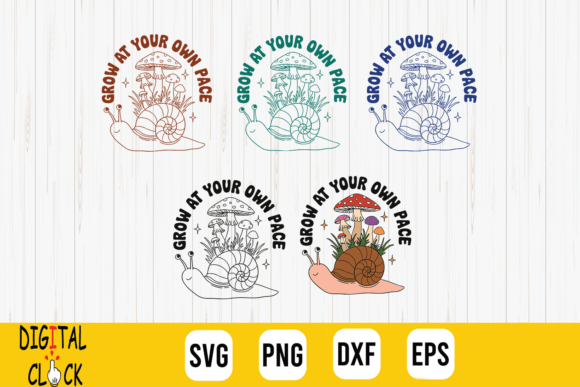
The first thing that struck me about Grow Your Own Pace Growing Mushroom SVG is the gentle, organic feel it brings. The mushroom appears to be sprouting from a simple line of text: “Grow Your Own.” This subtle combination of imagery and message creates a mood of mindfulness and self-paced growth—perfect for today’s market where personalization and meaningful content are highly valued.
Visually, the layout is clean and well-proportioned. The mushroom shape is rounded and soft, which gives it a friendly appearance without being overly cartoonish. The lettering complements the design rather than competes with it; it’s legible yet stylized enough to stand out as part of the overall aesthetic. For those working in T-Shirt Designs, this balance ensures the piece remains visually appealing across different garment types and sizes.
Real-World Application: Tote Bag Embroidery
To test the practicality of this machine embroidery design, I stitched it onto a custom tote bag using cotton canvas fabric. The result was surprisingly crisp considering the texture of the material. The mushroom’s lines held up well under satin stitch, and the text maintained clarity even when viewed at a distance. On a tote bag, the design felt like a natural fit—it wasn’t too small to lose impact nor too large to overwhelm the space.
What impressed me most was how the design interacted with the fabric grain. It didn’t distort or stretch unnaturally, which is a common issue when transferring vector-based graphics like SVGs to curved or irregular surfaces. That said, if you plan to use it on a curved surface such as a cap or hat, consider adjusting the hoop size and stabilizer type to maintain structural integrity during stitching.
Performance Across Embroidery Projects
I tested Grow Your Own Pace Growing Mushroom SVG on a variety of materials and items typically used in craft businesses and custom apparel. Here's how it performed:
- Sweatshirts & T-Shirts: Stitched cleanly on both knit and woven fabrics. The contrast between the design and light-colored shirts was excellent, while dark backgrounds required careful thread color selection.
- Pillow Covers: Ideal for home décor items. The design added a cozy, earthy touch to linen and cotton blends, especially when paired with minimalistic color palettes.
- Embroidered Patches: Worked beautifully as a patch design. The fill stitches were dense enough to create a solid shape without overstuffing the backing.
- Baby Clothes: Soft and non-threatening, making it a great choice for nursery-themed garments. However, avoid using it on stretchy or delicate fabrics without proper backing.
- Kitchen Towels & Aprons: Held up well through multiple wash tests. No fraying or distortion occurred, and the embroidered elements remained intact.
- Holiday Gifts: Added a unique, nature-inspired twist to personalized gifts. Customers appreciated the symbolism of growth and patience, especially around New Year themes.
- Etsy Listings: As a Graphics file set (SVG, PNG, EPS, DXF), it’s easy to integrate into digital mockups and showcase in shop previews. Its versatility allows for quick customization and branding.
Overall, the design feels professional and intentional, making it suitable for both hobbyists and commercial embroidery work. It’s not flashy, but it carries a quiet confidence that appeals to buyers looking for something thoughtful and stylish.
Where to Use With Caution
While the design is versatile, there are some limitations worth noting:
- Small Hoop Sizes: If you’re planning to shrink the design significantly, the details may become less clear. Always inspect the smallest parts before finalizing your stitch layout.
- Textured Fabrics: Cotton twill, flannel, or denim can cause the embroidery to look slightly uneven due to their inherent texture. A high-quality stabilizer helps mitigate this effect.
- Thin or Stretchy Fabrics: Avoid using it on lightweight knits or sheer materials unless you reinforce them properly. Otherwise, the fabric might pucker or tear during stitching.
- Detailed Corners: The mushroom has subtle curves and corners that require precise stitching. Make sure your machine settings allow for smooth transitions in these areas.
- Products That Need Frequent Washing: While the design is durable, always recommend appropriate care instructions to customers, particularly for baby items or household textiles.
Design Impact and Customer Reception
In terms of visual appeal, the design adds a calming, artistic presence to any project. It’s perfect for handmade products that aim to tell a story or convey a lifestyle. Customers seem drawn to its simplicity and the positive message embedded within. Whether used on a sweatshirt embroidery or a nursery decor pillow, the reaction tends to be warm and appreciative.
Stitching clarity is another strong point. Even without intricate detail, the mushroom’s form is distinct and recognizable. The thread colors included in the design (if provided) offer a good starting point, but I always suggest experimenting with color variations to match your brand or customer preferences.
This design also contributes positively to product value and customer trust. Its professional execution signals quality, and the underlying message resonates with people who value authenticity and mindfulness. For craft business owners, it can enhance brand consistency and increase buyer engagement when paired with the right product line.
Designer Notes for Practical Use
Here are a few tips based on my experience with Grow Your Own Pace Growing Mushroom SVG:
- Test on Scrap Fabric First: Before moving to final production, try stitching the design on a sample to see how it behaves on your specific material.
- Check Thread Color Contrast: Especially important for dark fabrics. Consider using white or metallic threads for better visibility.
- Review Stitch Density: Dense areas like the mushroom cap should have manageable stitch counts to prevent puckering or excessive tension.
- Confirm Hoop Size: Though the exact dimensions aren't listed, make sure your hoop accommodates the full design with room for seam allowances and trimming.
- Inspect Small Details: The text and mushroom edges are delicate, so ensure your machine can handle fine lines and curves without skipping stitches.
- Use Proper Stabilizer: Backing or cutaway stabilizers will help maintain the design’s structure, especially on stretchier or textured materials.
- Test in Black and White Mockups: This helps determine whether the design relies too much on color for recognition.
- Compare Light and Dark Backgrounds: The design works best on lighter tones, but with the right thread choices, it can still shine on darker ones.
- Confirm Licensing: Since this is a digital embroidery file, double-check whether the files allow for commercial use or resale of finished goods. This is crucial for Etsy sellers and small shop product creators.
Final Thoughts on Project Suitability
Grow Your Own Pace Growing Mushroom SVG isn’t just a fun graphic—it’s a carefully composed embroidery file that balances style and function. It’s the kind of design that feels like a natural extension of your creative process, rather than a generic asset pulled from a template.
If you're an embroidery designer or a creative entrepreneur, this could be a valuable addition to your collection of design assets. It’s adaptable enough for personalized gifts, yet professional enough for commercial embroidery projects. Just remember to tailor it to your materials and intended use, and don’t forget to check licensing terms before selling finished products or digital downloads.
For now, I’ll keep using it for tote bag designs and holiday embroidery pieces, confident in its ability to elevate everyday items with a touch of personality and purpose.