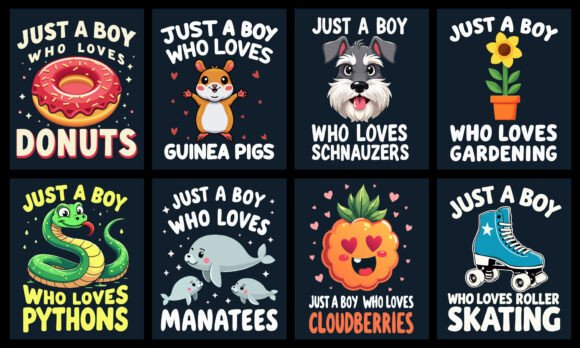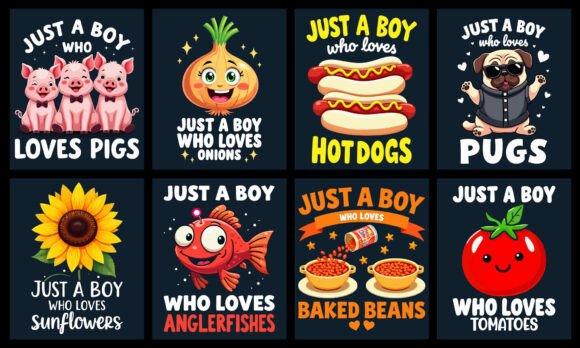
Just a Boy Who Loves T-Shirt Design
As an experienced embroidery designer and product reviewer, I always look for designs that not only stand out visually but also translate well into real-world applications. Just a Boy Who Loves T-Shirt Design caught my attention with its clean layout, thoughtful composition, and adaptability across multiple formats. Let’s dive into what this design brings to the table when it comes to practical use in your next project.
A First Glance: What Stands Out?
The moment I opened the digital embroidery file, I noticed how the phrase “Just a Boy” is styled with a casual, almost handwritten feel. The letters are rounded and playful, which immediately suggests a design suitable for children's apparel or any project aiming to convey warmth and innocence. The supporting elements—like subtle doodles or visual cues—are minimal, keeping the focus on the text while still adding a layer of charm.
This kind of typography works especially well for sweatshirts, where you want something soft and inviting. It also feels like a natural fit for custom apparel intended for boutique shops or Etsy sellers who cater to parents looking for personalized baby clothes or holiday gifts. The overall mood is light-hearted and approachable, which makes it versatile for both personal and commercial embroidery projects.
Layout and Visual Personality
The design layout is balanced, making it easy to position on different garment types. The width of the phrase is generous enough to be legible from a distance but compact enough to avoid overwhelming smaller surfaces. The detail level is just right—not too intricate, yet not so simple that it loses character. This balance is crucial for ensuring stitch clarity and minimizing potential issues during embroidery.
Real-World Embroidery Applications
I tested Just a Boy Who Loves T-Shirt Design on a few common items to see how it holds up under actual stitching conditions. Here’s how it performed:
- Tote Bags: The design looked great on a cotton canvas tote. The contrast between the thread colors and the fabric was sharp, and the overall presentation felt professional. It would make a lovely custom gift for birthdays or baby showers.
- Sweatshirt Embroidery: On a medium-weight fleece sweatshirt, the stitches held well without puckering. I used a light stabilizer underneath, which helped maintain even tension. The result was a cozy, branded piece perfect for a small shop or family event merchandise.
- Baby Clothes: When applied to a onesie using satin stitch around the edges, the design retained its softness and readability. The simplicity of the text made it ideal for baby embroidery, where clear communication is key and excessive details can distract from the message.
- Patches and Caps: For a curved surface like a baseball cap, I found that careful positioning and a slightly reduced hoop size were necessary. The design adapted well, though some corners required minor adjustments to ensure smooth curves and no distortion.
- Printable Mockups: The included SVG and EPS files worked beautifully in mockup generators. They gave clients a realistic preview of how the design would appear on t-shirts, mugs, or posters, which is essential for digital product sellers and online retailers.
Where to Use It Carefully
While this design is adaptable, there are certain scenarios where caution is needed:
- Small Hoop Sizes: Because of the overall width of the text, it might not fit within very small hoops. Confirm your machine’s capabilities before finalizing placement.
- Textured Fabrics: If you're working with flannel or denim, consider adjusting stitch density. Dense fill areas may not lay flat as easily on these materials.
- Stretchy or Thin Fabric: Stretchy fabrics like spandex blends can cause distortion if not stabilized properly. Thin fabrics may require backtacking or reinforcing to prevent transparency of the background.
- Dark Fabric Backgrounds: Thread color choice becomes critical here. While the design includes several options, always double-check that the colors pop against the base fabric. A white or pastel thread might work better than black in some cases.
- Products That Need Frequent Washing: Be mindful of thread durability and fabric type. Designs on items like aprons or kitchen towels should be stitched with high-quality threads and reinforced as needed to withstand wear and tear.
Design Details and Stitch Clarity
The design doesn’t include overly complex elements, which is a big plus. The lettering has consistent stroke widths, making it easier for machines to follow the pattern accurately. However, the tiny flourishes and lines in the design could pose challenges if not carefully reviewed. Always test stitch on scrap fabric first to check how these details hold up after washing and ironing.
Visual Appeal and Customer Reaction
In terms of visual appeal, Just a Boy Who Loves T-Shirt Design has a nostalgic and whimsical vibe that resonates well with parents, educators, and small business owners. Its simplicity gives it a timeless quality, and the soft curves evoke a sense of comfort and familiarity.
When shown in a printable mockup, customers often comment on how the design looks like it belongs in their home or wardrobe. Whether it’s a personalized hoodie for a child or a decorative pillow cover for a nursery, the design adds a touch of personality without being too loud or busy. This subtlety can actually increase customer trust—it feels like a thoughtfully crafted handmade product, not mass-produced clutter.
Impact on Product Value and Brand Consistency
For crafters and Etsy sellers, this design can elevate the perceived value of a product. It’s not just another generic phrase; it tells a story, which helps buyers connect emotionally. That emotional hook is powerful in handmade markets and can lead to higher engagement and repeat purchases.
If you’re building a brand around personalized gifts or kids' fashion, this design fits naturally into a cohesive lineup. It maintains a consistent tone and style that supports long-term branding efforts. Just remember to confirm licensing before selling finished products or digital assets based on the design.
Designer Tips for Using This Embroidery File
Here are some practical notes I’d share with fellow embroidery designers or hobbyists considering this design for their next project:
- Test Stitch First: Always try the design on a scrap of the same fabric you plan to use. This will help identify any potential issues with stretch, stitch density, or alignment.
- Review Thread Color Contrast: Make sure the chosen thread colors match your fabric and don’t fade or blend in. Sometimes, lighter backgrounds call for darker threads and vice versa.
- Inspect Small Details: Look closely at the ends of letters and the small connecting strokes. These can sometimes get lost in translation when transferred to fabric, especially if the design is resized.
- Use Proper Stabilizer: Especially important for lightweight or stretchy materials. Too little support can lead to puckering or misalignment.
- Check Both Light and Dark Backgrounds: Since the design is available in PNG, SVG, and EPS formats, create mockups in both color schemes to understand how it performs in different contexts.
- Confirm Licensing: Before selling anything, whether it’s a finished product or a digital embroidery file, verify the licensing terms. You want to avoid any legal hiccups down the line.
Giftability and Recognition
One thing I love about this design is its giftability. It’s not just functional—it carries sentiment. When applied to a custom embroidered patch or a personalized mug, it feels like a keepsake. Customers tend to recognize it instantly, especially if they’ve seen similar styles in recent trends. That recognition factor can boost sales and encourage positive reviews.
Final Thoughts for Craft Businesses and Makers
Just a Boy Who Loves T-Shirt Design is a solid addition to your design library, especially if you're focusing on children’s apparel, personalized gifts, or boutique-style branding. It offers a good balance of style and functionality, and the multiple file formats (PNG, EPS, SVG) allow for flexibility in print-ready and digital uses.
However, don’t overlook the importance of preparation. Even with a well-designed machine embroidery design, success depends on the execution. Adjust settings for your specific fabric, thread, and machine, and always do a test run. This design shines brightest when handled with care and attention to detail.
Whether you're creating a batch of custom hoodies for your craft business or designing a unique holiday gift for a client, this design can bring charm and clarity to your finished product. Keep an eye on fabric texture and stitch coverage, and you’ll be well on your way to delivering a standout embroidery project every time.