Look Back and Thank God Embroidery Design Review
What Works Best and What Doesn’t
- Small hoop sizes: The lettering is large enough to read, but if you're working with a very small hoop (like under 4 inches), you may need to scale down the design. Be sure to test how the details hold up at smaller sizes.
- Textured or stretchy fabrics: Designs with fine lines or detailed corners can get distorted on knits or wovens with texture. Stick to stable, tightly woven materials for best results.
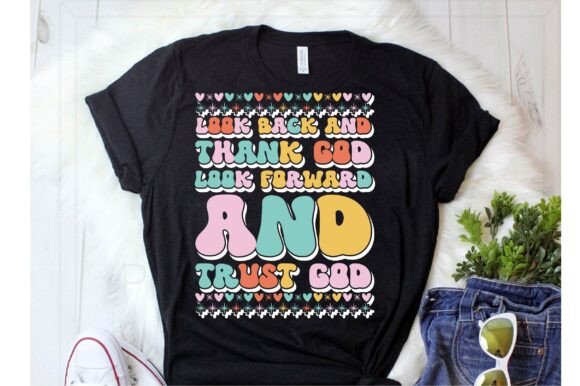
- Dark fabric backgrounds: The default thread colors provided in the package work well on light-colored garments, but for dark fabrics, you’ll need to adjust the color palette significantly. Testing a black-and-white mockup before purchasing is always a good idea.
- Dense stitch areas: If your machine isn't set up for high-quality stitching, dense fills can cause issues like skipped stitches or tight tension. Adjust accordingly or opt for a lighter stitch style for casual looks.
Design Performance in Different Embroidery Projects
Custom Apparel: Ideal for creating branded sweatshirts or T-shirts for a small shop product line. The design adds emotional value without compromising aesthetics.
Baby Items: Soft, warm, and uplifting — perfect for nursery decor or baby clothes. Just make sure to use gentle thread colors and appropriate stabilizers to avoid irritation or discomfort.
Patches and Caps: While the design could work on curved surfaces like caps, I recommend testing it on a scrap cap first. Curved embroidery can cause distortion if the design isn’t optimized for that shape. For embroidered patches, the design’s structure holds up well, especially if using a running stitch outline for a more vintage look.
Gifts and Decor: When applied to tea towels, aprons, or pillows, the design elevates the item from simple home goods to something meaningful. Customers tend to appreciate embroidery that tells a story or conveys a positive message, especially for holiday gifts or wedding gifts.
Professional Insights for Crafters and Business Owners
- Test on scrap fabric first: Especially if you're planning to sell this as part of a boutique branding collection or include it in a digital product preview.
- Review stitch density: Too much can lead to puckering. Too little, and the design may not stand out. Find the sweet spot for your machine and fabric.
- Confirm hoop size: Though the product description doesn’t specify, always verify what hoop sizes the design supports before committing to production runs.
- Inspect small details: Even if the overall look is nice, tiny accents or punctuation can be problematic. Make sure these don’t disappear during the stitching process.
- Use proper stabilizer: Especially on layered garments or items with frequent washing, such as kitchen towels or baby clothes. A tear-away stabilizer usually suffices, but for heavier fabrics, cut-away might be better.