Outside I Skrrt but Inside I Hurt Embroidery Review
As an embroidery designer with years of experience in creating and reviewing machine embroidery designs, I’m always looking for graphics that balance humor, visual clarity, and stitchability. The “Outside I Skrrt but Inside I Hurt” design caught my attention not just for its meme-like charm but also for the way it translates from digital concept to stitched reality. Let’s take a closer look at how this raccoon driving a classic car fits into real-world embroidery projects.
A First Glance: Personality and Visual Appeal
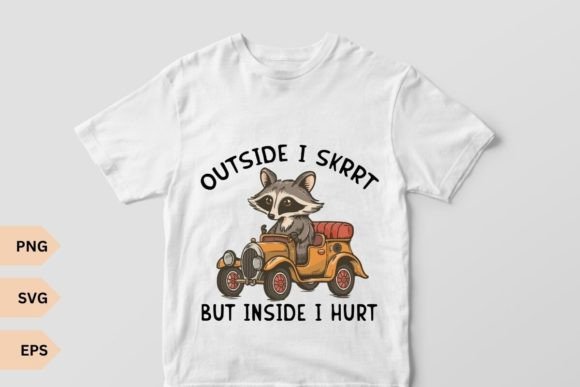
The first thing that stands out about “Outside I Skrrt but Inside I Hurt” is its bold character and retro cartoon style. It has that unmistakable Trash Panda aesthetic—quirky, exaggerated, and slightly chaotic. The raccoon appears to be straddling two emotional states: one where it’s all bling and attitude on the outside, and another where it’s clearly feeling something deeper inside. This duality makes it a strong candidate for personalized gifts, custom apparel, or even handmade products that aim to resonate with a younger, internet-savvy crowd.
From a design standpoint, the layout is clean enough despite the fun elements. The text is prominent and stylized, while the raccoon and car add a whimsical touch without overwhelming the overall composition. However, there are some intricate details in the background—like the shading on the raccoon’s fur and the texture of the old car—that may require careful stitching techniques to preserve their visual impact.
Real-Life Use Cases: Where This Design Shines
This design feels most at home on a cotton t-shirt or sweatshirt, especially if you're aiming for a weird t-shirt vibe or a retro cartoon T shirt. The larger surface area allows the details to breathe and gives the viewer room to appreciate the full effect. As a machine embroidery design, it works well for small-batch runs by Etsy sellers or boutique owners who want to stand out with a unique graphic.
It also holds potential as a tote bag design, particularly for events like back-to-school, summer festivals, or college-themed merchandise. The humorous nature of the design can elevate a simple tote into a conversation starter. For custom apparel, think about using it for a group of friends who want matching shirts for a photoshoot or party—this kind of quirky meme art often becomes a hit in such settings.
If you're a creative entrepreneur or part of a craft business, consider integrating it into holiday gifts or personalized items like aprons or pillow covers. The design adds a layer of relatability and modernity that can attract buyers looking for something offbeat yet meaningful.
Where Caution Is Key
While the design is visually engaging, it’s important to note where it might not perform as well. The small details in the raccoon’s expression and the car’s design could struggle on textured fabrics or thin fabric. These materials might distort the finer lines or make them less visible after stitching.
Also, if you’re planning to use this on a dark fabric background, thread color contrast will be crucial. The default colors used in the design may need adjustment to ensure visibility. On stretchy materials like rayon or spandex blends, the design could pucker if not properly stabilized or if stitch density isn’t adjusted accordingly.
For small hoop sizes, such as those used for embroidered patches or cap designs, the embroidery file may need scaling down or simplification. Some parts, like the tiny lettering or detailed corners, won’t translate well when shrunk. In these cases, focus on key elements—maybe just the raccoon and the main text—to maintain legibility and visual punch.
Stitch Quality and Layout Considerations
When evaluating an embroidery project like this, I always start by testing the design on scrap fabric. Doing so helps me assess stitch flow, density, and whether the design maintains its personality through the embroidery process. With “Outside I Skrrt but Inside I Hurt,” the stitch directions appear to follow good path logic, which is essential for avoiding gaps or overlaps in fill areas.
One thing to watch for is the stabilizer needed. Because of the mix of satin stitch and fill stitch elements, a medium-weight stabilizer tends to work best. Using too little support can result in puckering, especially in the denser areas around the raccoon’s face or the car’s body. If you're working on a product that needs frequent washing, like baby clothes or kitchen towels, be sure to choose a washable stabilizer to avoid residue or stiffness.
The placement of the design also matters. For sweatshirt embroidery, centering it on the chest gives it the most impact. On a tote bag, positioning it towards the top near the handles keeps it from getting lost in the bulk of the fabric. When using it on curved surfaces like caps or patches, you’ll need to adjust the design to fit the shape properly, which means extra time spent tweaking the layout.
Design Notes for Maximum Impact
- Thread Colors: Stick with high-contrast combinations if you're embroidering on dark fabric. Test different shades to see what pops the most without losing the original feel of the design.
- Stitch Density: Adjust the density in dense areas to match your fabric type. Too tight can cause distortion; too loose might lose detail.
- Hoop Size: Confirm the recommended hoop size before starting. If it's larger than expected, break the design into sections carefully to avoid misalignment.
- Mockups: Always create a printable mockup or test the design in black and white to see how it looks on various backgrounds and in different lighting conditions.
- Licensing: Before selling finished products or offering digital downloads, double-check licensing terms. Meme-style designs can sometimes have hidden restrictions.
Customer Reactions and Market Fit
I’ve seen firsthand how customers react to funny art T-shirts and meme T shirts in retail and online stores. People love to wear what they laugh at, and this design delivers. Its blend of nostalgia (the retro cartoon style) and modern humor (the skrrt meme reference) creates a versatile appeal that can cross generational lines. That said, it’s probably better suited for casual audiences rather than formal or professional environments.
In handmade shops or Etsy listings, this design can boost buyer engagement if paired with the right product. It works well for those targeting niche markets like pop culture enthusiasts, meme lovers, or fans of trash panda aesthetics. But don’t expect it to fit seamlessly into a line of minimalist or luxury branding—it’s more of a playful statement piece.
How It Impacts Your Brand and Product Value
Using “Outside I Skrrt but Inside I Hurt” in your handmade shop or small shop product lineup can add a sense of authenticity and humor. Customers often gravitate toward designs that feel genuine and speak to their personality. That being said, the design’s irreverent tone might not align with every brand identity. Make sure it matches your target audience and the overall vibe of your collection.
For commercial embroidery, the design brings value through its uniqueness. It’s the kind of graphic that people either love or find really weird—which is exactly what makes it memorable. Just be aware that not everyone will get the joke, so context is important. If your customer base is familiar with internet culture or appreciates retro cartoons, this design could become a signature item in your inventory.
On the flip side, if the design doesn’t match your brand image, it could reduce professionalism or confuse buyers. Always review your existing design assets to ensure consistency in style and messaging.
Final Thoughts for Embroidery Designers and Sellers
“Outside I Skrrt but Inside I Hurt” is a great example of how meme-based or pop culture-inspired embroidery files can bring fresh energy to your craft business. It’s a versatile graphics option for T-Shirt Designs, but it requires thoughtful handling to retain its charm in the final product.
Whether you're making a personalized gift for a friend, adding a new design to your Embroidery Project portfolio, or sourcing digital embroidery files for your next batch of finished products, this raccoon has potential—but it’s not a one-size-fits-all solution. Be prepared to tweak, test, and adapt based on your specific materials and market.
Ultimately, the design offers a strong visual hook and can increase recognition and buyer engagement if used correctly. Just remember to prioritize stitch clarity and fabric compatibility to keep the quality of your handmade product intact. If you do that, your customers will thank you—and maybe even say they relate to the raccoon’s internal conflict a bit too much.