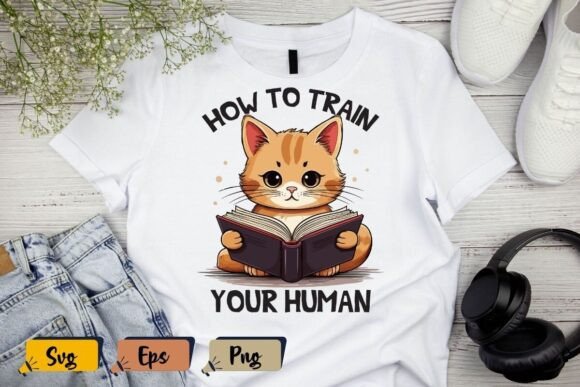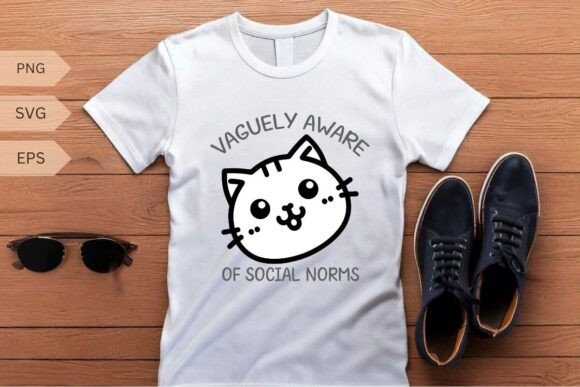
Vaguely Aware of Social Norms Cat Vector: A Designer’s Perspective
As an experienced embroidery designer and product reviewer, I’m always looking for vector graphics that balance humor, personality, and technical feasibility. When I first encountered the Vaguely Aware of Social Norms Cat Vector, it caught my attention with its quirky charm and subtle social commentary. This design isn’t just another cute cat illustration—it has a unique visual identity that makes it stand out in a sea of generic animal motifs.
First Impressions and Design Personality
The Vaguely Aware of Social Norms Cat Vector presents a cat character that's both whimsical and self-aware. Its posture and expression suggest a mix of curiosity and mild disapproval—like it knows something but doesn't quite want to say it out loud. The color palette is soft yet distinct, making it versatile for different fabric types. The lines are clean and deliberate, with a layout that feels intentional rather than cluttered.
This kind of visual storytelling is rare in many machine embroidery designs, which often lean too heavily on either cuteness or complexity. Here, there's a nice middle ground. The theme is light-hearted but layered enough to invite conversation. That’s valuable for any handmade product or small shop merchandise aiming to connect emotionally with buyers.
Where This Design Fits Naturally
I immediately thought of how this could work on a custom sweatshirt for a boutique line. The design’s scale and detail level suggest it would look best at a moderate size, maybe 6-8 inches tall. It’s also a great fit for tote bags, especially if you're targeting a demographic that appreciates weird but thoughtful humor. The funny cat slogan embedded in the design adds another layer of appeal, making it ideal for personalized gifts or even holiday embroidery projects.
For baby clothes, though, I’d be cautious. The tone of the design leans more toward adult humor and abstract concepts, which might not resonate as well with parents shopping for nursery decor or infant apparel. However, it could still work as part of a quirky gift set or a teen-friendly item.
Real-World Performance in Embroidery Projects
When evaluating any embroidery file, I consider how it translates from screen to fabric. The Vaguely Aware of Social Norms Cat Vector handles this transition reasonably well, assuming you have the right tools and preparation. Let’s break down some practical applications:
- Tote bag design: The cat graphic looks lively when placed centrally, especially on cotton canvas. Its shape allows for a clear focal point without overwhelming the piece.
- Sweatshirt embroidery: On a thicker fabric like fleece, the design holds up well. Just make sure your stitch density is adjusted appropriately to avoid puckering.
- Embroidered patch: The design could work here too, particularly if you’re creating patches for hats or denim jackets. But keep an eye on the smallest details—the cat’s fur or facial features may need simplification depending on the hoop size.
- Pillow cover or tea towel: These items benefit from the design’s compactness and clarity. It’s a perfect candidate for kitchen towels or decorative pillows where a little personality goes a long way.
- Etsy listings and digital product previews: The design’s aesthetic aligns well with modern craft trends. As an applique design, it can add value to printable mockups and help attract customers who appreciate unique, offbeat style.
One thing I noticed early on is that the design’s visual weight is balanced. It doesn’t scream for attention but instead invites a second glance. That subtlety is a strength when applied to handmade products or custom apparel where over-the-top graphics can clash with brand aesthetics or customer preferences.
Use with Caution: Practical Limitations
While the Vaguely Aware of Social Norms Cat Vector is versatile, there are situations where it might not perform optimally:
- Small hoop sizes: If you plan to use this design on tiny items like earrings or keychains, the intricate details will likely get lost. Consider scaling it down only after testing on scrap fabric.
- Textured fabrics: Fabrics with texture, such as flannel or twill, can affect stitch clarity. You may need to adjust stitch types (like using running stitch in place of fill stitch) to maintain definition.
- Thin or stretchy materials: Delicate fabrics like rayon or spandex require extra stabilizer. Otherwise, the design might distort during stitching or after repeated wear.
- Dark fabric backgrounds: The thread colors provided in the design are vibrant, but they lose their punch against darker backdrops. Always check contrast before finalizing your project.
- Curved surfaces: For caps or curved garments, the design’s alignment and proportions must be carefully managed. Distortion is a real risk if not prepped properly.
- Dense stitch areas: Some parts of the cat’s body may require thinning the stitch density to prevent stiffness or visible puckering, especially on lightweight cotton or linen.
Impact on Product Value and Customer Appeal
In terms of visual appeal, this design scores high. It’s memorable without being garish, and it gives your finished product a sense of individuality. For craft business owners and small shop product creators, this means increased buyer engagement and better chances of repeat sales.
What I appreciate most is how it contributes to handmade presentation. It’s not mass-produced; it feels personal. Whether it’s stitched onto a cozy sweatshirt or a quirky apron, the design elevates the perceived value of the item. Customers respond positively to this kind of quirky cat design because it signals creativity and care.
However, for commercial embroidery purposes, ensure the design maintains consistency across multiple units. Variability in thread tension or fabric quality could impact how the design is received. If you're planning to sell digital embroidery files, double-check the licensing to confirm whether it supports resale of the design assets or requires attribution.
Designer Notes for Optimal Results
Before committing to a full production run or client order, here are some tips to maximize the potential of Vaguely Aware of Social Norms Cat Vector:
- Test on scrap fabric: Always do a trial run to see how the design behaves with your specific machine and thread.
- Check thread color contrast: Especially important if you're embroidering on dark or patterned fabrics. Use a black-and-white preview to evaluate visibility.
- Review stitch density: Too dense and it’ll pucker; too loose and it’ll appear faded. Adjust accordingly based on fabric type.
- Confirm hoop size: Without exact specifications, it’s hard to recommend a one-size-fits-all approach. But given the design’s scale, a minimum 5x7 inch hoop is probably necessary for full visibility.
- Inspect small details: The cat’s face and fur patterns are expressive, but if they don’t render clearly in stitch form, the message gets muddled.
- Use proper stabilizer: Especially on thin or stretchy materials. Water-soluble or tear-away options can help preserve the design’s integrity.
- Compare light and dark backgrounds: The design works well on white or pastel shirts but may require adjustments for navy or black fabrics.
- Ensure brand consistency: If you're incorporating this into a branded collection, test it alongside other designs to maintain visual harmony.
- Confirm commercial license: If you intend to sell the finished product or distribute the digital embroidery file, make sure you have the correct permissions.
Final Thoughts for Makers and Merchants
The Vaguely Aware of Social Norms Cat Vector is a standout among funny cat t-shirt designs. It brings a sense of wit and relatability that can enhance your handmade product lineup or elevate your personalized gift offerings. As someone who frequently reviews embroidery graphics, I find it refreshing to encounter a design that doesn’t just look good but also tells a story.
That said, no design is perfect for every situation. The Vaguely Aware of Social Norms Cat Vector shines brightest when used thoughtfully—on the right fabric, with the right preparation, and for the right audience. Whether you're an Etsy seller or a creative entrepreneur launching a new line of weird cat graphic merchandise, take time to understand how this design interacts with your materials and your brand voice.
Ultimately, it’s a strong contender for craft fair products and holiday gifts, especially for those who enjoy the intersection of humor and art. With the right approach, it can become a signature element in your design assets, helping you stand out in a crowded market while staying true to your creative vision.